
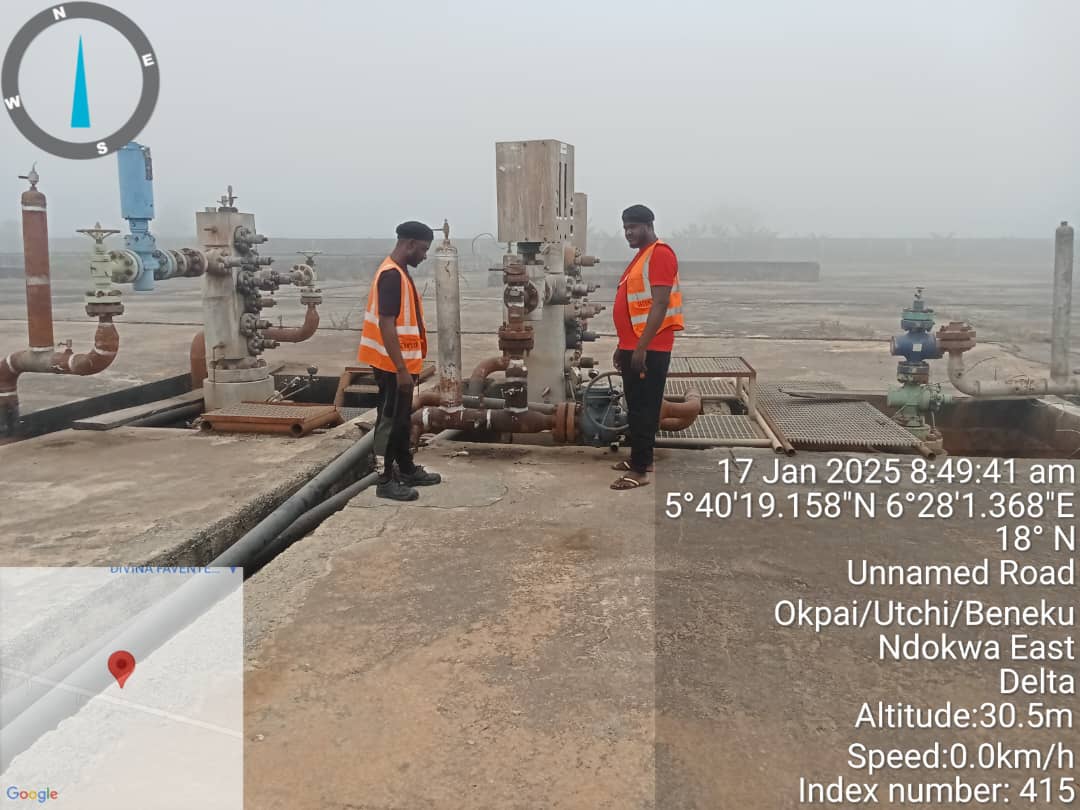
Securing Nigeria’S Oil Pipelines: Challenges, Risks, And The Path Forward
Nigeria’s oil and gas sector remains the backbone of its economy, contributing significantly to government revenue and foreign exchange earnings. However, the industry is under constant threat from pipeline vandalism, crude oil theft, militant activities, and environmental degradation. These challenges not only result in massive financial losses but also pose severe security and ecological risks. Addressing these issues requires a multi-faceted approach combining technology, policy reform, and community engagement.
The Growing Threat to Nigeria’s Oil Pipelines
Nigeria has one of the most extensive pipeline networks in Africa, transporting crude oil and refined petroleum products across different regions. However, this network is vulnerable to both internal and external threats.
1. Oil Theft and Pipeline Vandalism
One of the most pressing issues is oil theft, often called "bunkering." Criminal groups, sometimes in collaboration with corrupt insiders, illegally siphon crude oil from pipelines, refine it at illegal refineries, and sell it on the black market. This activity:
- Causes billions of dollars in losses annually.
- Leads to frequent pipeline explosions due to unsafe tapping methods.
- Reduces Nigeria’s official crude oil export capacity.
2. Militant Attacks on Oil Infrastructure
Militant groups such as the Niger Delta Avengers (NDA) and other armed factions have targeted oil infrastructure to push their demands for resource control, environmental justice, and economic inclusion. Their attacks have:
- Disrupted oil production, affecting global oil prices.
- Forced oil companies to halt operations in key regions.
- Led to increased military deployment, escalating tensions in oil-producing areas.
3. Environmental Devastation
Beyond financial losses, pipeline breaches have caused significant environmental damage. Oil spills resulting from vandalism and illegal refining pollute water bodies, destroy farmlands, and endanger wildlife. The Niger Delta region, home to Nigeria’s vast oil reserves, has suffered decades of environmental degradation, leading to:
- Contaminated drinking water for local communities.
- Loss of marine life and fisheries, affecting the livelihood of thousands.
- Increased health risks such as respiratory diseases and skin infections.
4. Cybersecurity Threats to Oil Infrastructure
In today’s digital world, oil pipelines rely on automated control systems for monitoring and management. However, cyberattacks on these systems pose a new challenge. Hackers could:
- Disrupt oil flow through ransomware attacks.
- Compromise SCADA (Supervisory Control and Data Acquisition) systems, leading to operational failures.
- Steal sensitive data on oil production and export schedules.
How Can Nigeria Secure Its Oil Pipelines?
To effectively combat these threats, Nigeria must implement a strategic mix of technology, policy enforcement, and community participation.
1. Advanced Surveillance and Monitoring
Utilizing cutting-edge technology can significantly improve pipeline security. This includes:
Drones with thermal imaging to monitor pipelines in remote areas.
AI-powered sensors that detect pressure changes and leaks in real-time.
Satellite surveillance for continuous monitoring of oil transport routes.
2. Strengthening Law Enforcement and Military Presence
The Nigerian government must:
Establish specialized security task forces trained in oil infrastructure protection.
Deploy naval patrols to monitor oil shipments in Nigerian waters.
Improve intelligence gathering to dismantle oil theft syndicates.
3. Community Engagement and Economic Inclusion
Most illegal oil activities involve disgruntled locals who lack economic opportunities. Addressing this issue requires:
Job creation programs for youth in oil-producing areas.
Corporate Social Responsibility (CSR) initiatives from oil companies.
Community policing partnerships to enhance local security efforts.
4. Cybersecurity Measures
As digital threats increase, oil firms must:
Implement multi-layered cybersecurity protocols.
Train employees on phishing and social engineering risks.
Secure SCADA systems with advanced firewalls and AI-driven monitoring tools.
The Path Forward
Securing Nigeria’s oil pipelines is not just about stopping theft—it’s about protecting the economy, ensuring energy security, and preserving the environment. The Nigerian government, oil companies, security agencies, and local communities must work together to implement modern security solutions, enforce strict regulations, and create economic alternatives for those involved in illegal oil activities. Only through a holistic and sustainable approach can Nigeria’s oil sector thrive without constant disruption.
What are your thoughts on securing Nigeria’s oil pipelines? Let’s discuss this in the comments!
No approved comments yet. Be the first to comment!